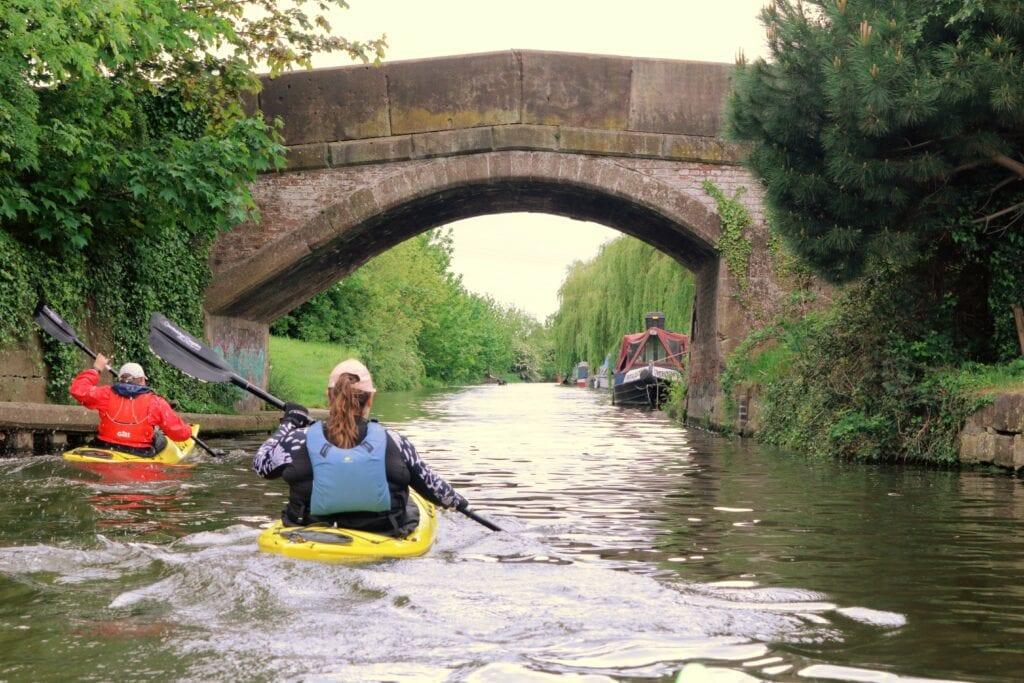
Paddling is great for our health, enjoyment and wellbeing.
However, there can be a risk of infection caused by microorganisms in the natural environment.
Bacteria and viruses can be picked up through cuts or through ingestion.
The presence of bacteria indicates that human or animal faeces may be present in the water.
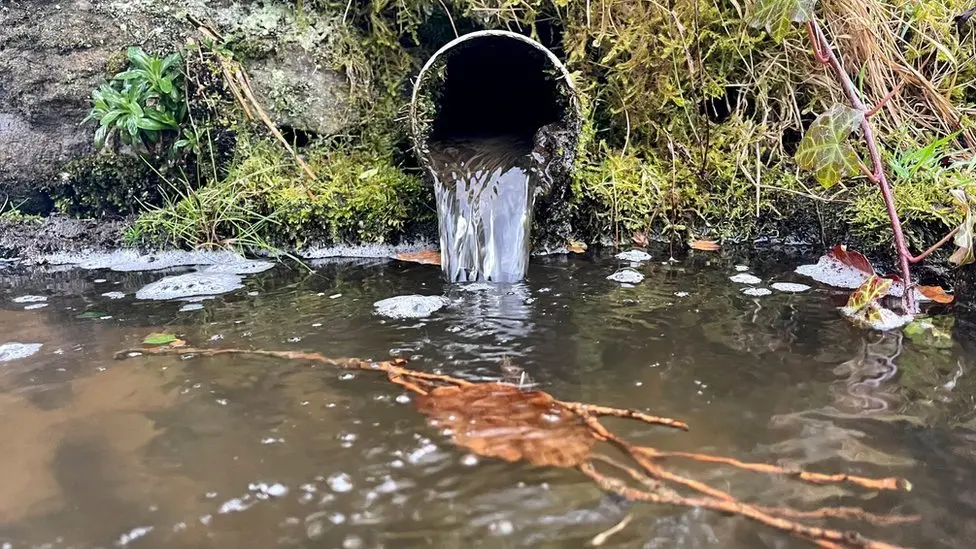
One cause is from sewage being discharged from combined sewer overflows (CSOs).
Human and animal waste is also used as fertiliser and spread on fields.
In heavy rain this can be washed into watercourses.

Water UK has launched a new National Storm Overflow Map.
It means paddlers, swimmers, surfers, will be able to view real-time sewage spills in rivers and seas for the first time.
Paddle UK and our partners have been campaigning for real-time monitoring of sewage overflows.
In May, water companies released new maps showing near real-time storm discharge activity.
You can check for pollution incidents on the Surfers Against Sewage Safer Seas and Rivers app.
Find out what about our Clear Access, Clear Waters campaign and the work we have been doing to end sewage pollution.
Paddle UK joined six other national governing bodies calling for clean open water for people to enjoy what they love.
By becoming a Paddle UK member we are far stronger. Our collective voice is much louder.
What are waterborne diseases?
Waterborne diseases are illnesses which can be picked up by humans, in the form of bacteria or viruses.
They’re usually picked up while you’re on the water – through cuts or through ingestion.
Some paddlers will be more immersed in the water such as freestyle paddlers or those carrying out capsize drills.
Levels of contact with water should be considered and mitigation adapted as necessary.
There are many waterborne diseases, but below are the most common.