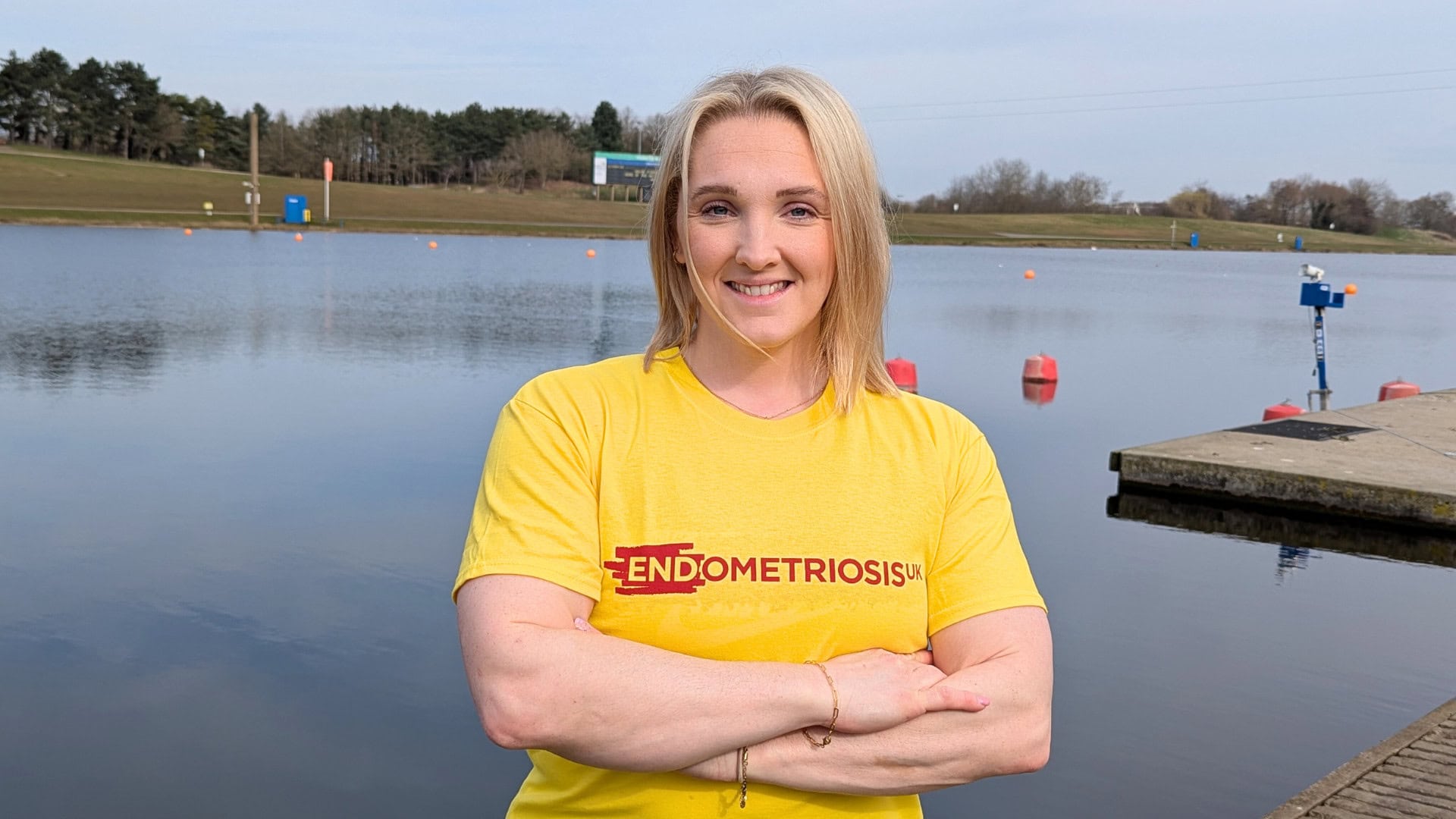
In this month’s Paddler Spotlight, we caught up with Paracanoe Paralympic Champion and Endometriosis UK ambassador, Charlotte Henshaw MBE.
Endometriosis occurs when tissue similar to the lining of the womb grows in other parts of the body. According to Endometriosis UK, one in 10 women will experience the condition, but it can take on average eight years to receive a diagnosis, as the only way to confirm it is through laparoscopic surgery.
For Charlotte, it took over seven years to get a diagnosis. After struggling with symptoms for many years, she was diagnosed just eight months before the Tokyo Paralympic Games—where she went on to win her first Paralympic gold medal.
Charlotte shares her journey of getting a diagnosis, finding support, and managing the condition alongside her training this Endometriosis Awareness Month.

Could you share with us your experience of getting a diagnosis?
“My diagnosing of endometriosis took a long time as is the case with many many people. It took about 7 years from onset of symptoms to diagnosis.
“I had been struggling with symptoms for many, many years. And after many visits back and forth to the doctors, I finally heard that word ‘endometriosis’ from a women’s health physio. That’s what started the process of having my laparoscopy, which therefore diagnosed me as having endometriosis.
“The scariest thing for me about my diagnosis was how the surgery was in the Games year before Tokyo. My biggest goal was to go in that summer and compete, and try and win my first Paralympic medal.”
How do you find the balance between training and managing the condition?
“The biggest balance for me with having endometriosis and training full time is that it can affect my energy daily, it can affect pain levels. Some days I’m fine. Other days I wake up and I can’t stand up right, I can’t get out of bed without abdominal pain.
“Before I knew my diagnosis, it was that question of what’s causing it. Whereas at least with the diagnosis, I knew what the cause was and it gave me that ability to meet myself where I was at every day.
“Like many women, diagnosis gives you the power to make decisions and the tools to adjust to change, manage the things I can and also give myself a bit of grace when I don’t feel fully able to train.
“It’s okay to take a rest. I’d have good conversations about what I was able to do that day rather than trying to plough on with what we had got planned.”
Why was it important for you to share your story? Have you had support from the community?
“I was trying to find people in the elite sports world that had got the same experience as I had. There were a few, not that many, but they were so generous with their time. They gave me little tricks and tips on what had worked for them in their sport.
“When I got my diagnosis I was sure I wanted to share mine in case I could be that person for somebody else. It’s only through that that I discovered this whole amazing group of people online that shared their experiences.
“I think it’s so important we bring the conversation forward. It’s the only way we’re going to educate people and affect change.”
What advice would you give to other women and girls who have similar symptoms and are seeking a diagnosis?
“The biggest tool I had in my belt before diagnosis was the fact that I tracked my menstrual cycle.
“Know what’s normal for you. I didn’t really know what my normal cycle was until I started tracking it. And once I started tracking it, little patterns started to emerge that then I could take to a medical professional and help them to help me.
“It’s not normal to be in pain every month. If there’s something that you don’t think is quite right, you have to back yourself, and fight your own corner. Don’t stop until you get an answer.”
Do you have any tips for paddlers managing endometriosis?
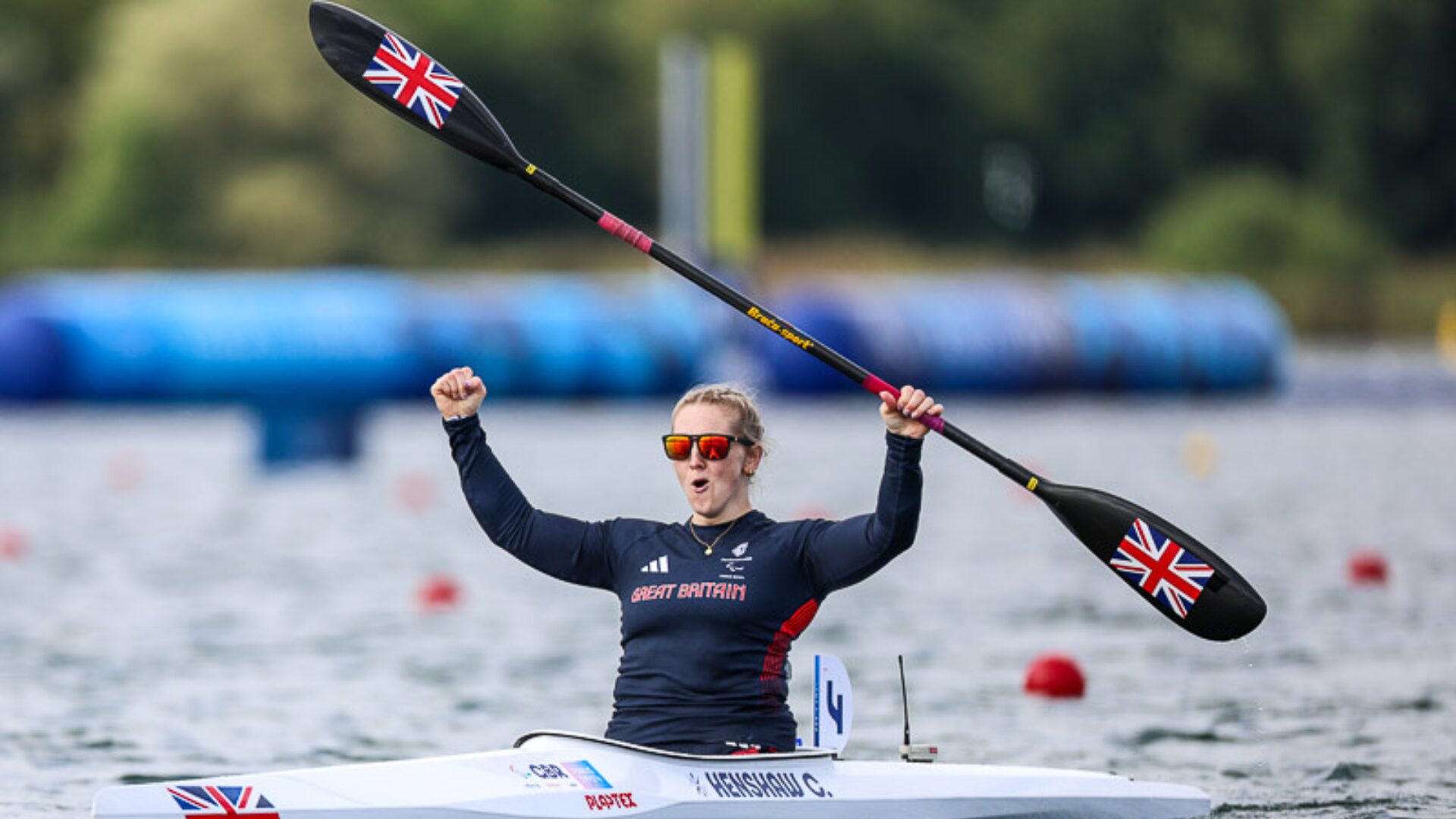
“In paddling the positions we have to be in are not always the nicest for people that have abdominal pain. My biggest helps i’ve found is keeping good flexibility, if you can get access to a physio that hugely helps keep the core moving and supportive, and being kind to yourself.
“Ploughing through training when you’re not feeling 100% is isn’t always the best option. Is it that a rest is better? Is it that going for a swim is better? An alternative form of movement at that time might be a better option than trying to sit in an uncomfortable boat.”
Thank you to Charlotte for sharing her story with us. For more support, resources and information about the condition, visit Endometriosis UK’s website.