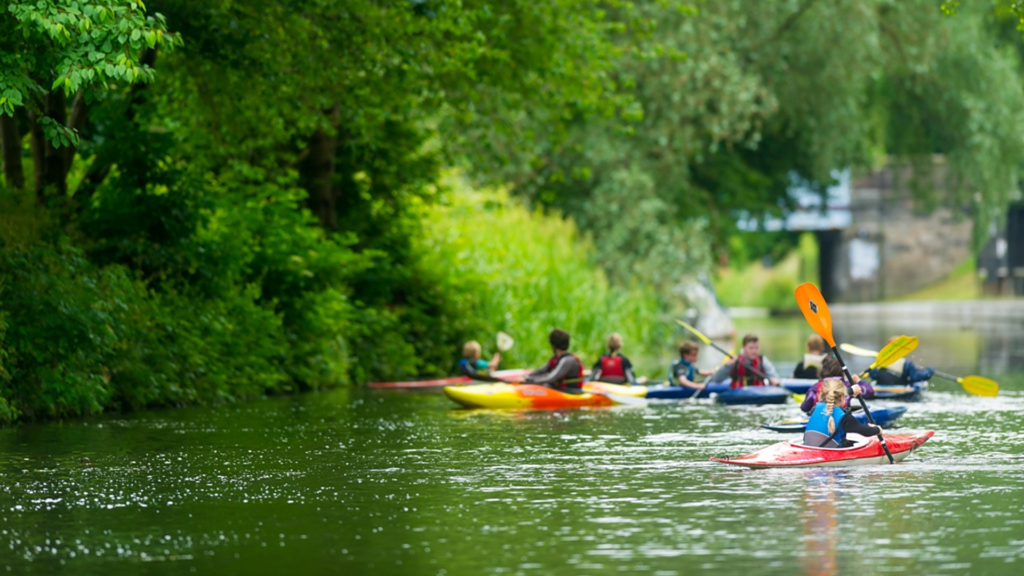
Water provides a place for millions of people to play, explore and unwind – from paddlers to swimmers, rowers, sailors, divers, anglers and many, many more.
There are 59,000km of waterways in England, but whether you can actually access them is not straightforward.
Where can I access water?
There is no issue on anywhere that requires a licence to be on the water. This includes your local canal or major rivers (The Thames, Severn and Trent).
These waterways are referred to as Statutory Navigations.
Visit Paddlepoints and search for the waterway near you and whether you need a licence >>
This means there is an Act of Parliament granting a clear right of navigation for the public.
With your Paddle UK membership, you are free to enjoy around 4,500km of waterways.
There is some great info here about the river licence and where it enables you to paddle.
Paddlers have the right to navigate on the sea and tidal waters.
The right of navigation on tidal waters normally extends to the ‘Normal Tidal Limit’ (shown as NTL on OS maps).
You can launch from many beaches around our coast. However, permission must be sought if you are launching from private land.
Some harbours and ports have restrictions and bylaws in place which may require the payment of fees for launching and use of their waters.
If canals, coast and some major rivers are good, what about everywhere else?
Unfortunately, unlike the rights of way network on land, where footpaths and bridleways mark clearly where we have a right to walk or ride. On water, things are less clear.
Disagreements over access rights for paddlers and swimmers to enjoy about 96% of rivers in England and Wales have raged for decades.
In England, river banks and river beds are owned privately, as are fishing rights. It is suggested that landowners need to give permission to anyone wishing to paddle down a river.

On the other hand, there is historic evidence to support the idea that many of our rivers have a right of access that has existed for centuries, without being extinguished.
There are rivers, or parts of rivers, that while they have no statutory right of navigation are paddled frequently.
Others, often those that have valuable or popular fishing interests, are highly contested.
Paddle UK believes that our navigable rivers can and should be fairly shared.
By following the Paddlers’ Code, we can all show respect to other users and the natural environment.
To find out more about how Paddle UK is campaigning for greater access to inland waters, click here.
What about lakes and reservoirs?
These vary. In the Lake District, for example, each of the bodies of water have different rules and bylaws that affect where, when and how you can access the water.
There are common law rights that enable the public to paddle on Windermere and Coniston, while the likes of Bassenthwaite Lake has a permit scheme in place.
Due to this varied picture, it is always worth checking in advance which lakes can be paddled.
Reservoirs also have different rules, depending on which utilities company manages them.
Some reservoirs are slowly opening up to paddlers, primarily through managed access in a controlled area.
Again It is always worth checking in advance before setting out.
What does all this mean? Can I paddle or not?
We believe you can.
Despite the fact the majority of our water in England and Wales has been argued over for years, we believe our waters can and should be enjoyed by all.
As long as we all paddle or swim with respect for other users and care for the environment, and follow the Paddlers’ Code, most people will be able to paddle freely with no hassle at all.
It is important however that you are in the know about the bigger picture.
What happens if I paddle on a ‘contested’ waterway?
Unfortunately, because the situation is unclear, we know that from time to time paddlers and swimmers are challenged.
In very rare circumstances, paddlers have been accused of trespassing.
If this happens, it is important to remain calm, polite and seek to defuse the situation.
- Be courteous, calm and polite. Attempt to defuse the situation through positive dialogue
- Seek to find positive ways of working with other water users, e.g pass by anglers with minimal disruption
- Avoid anything that could be interpreted as aggravated trespass, such as a breach of the peace, or conspiracy to trespass as these are criminal offences
- Do not admit trespass under any circumstances, or give your name or contact details, unless a police officer asks for them
- If necessary please complete the Paddle UK Incident Report.
If you are paddling on a river, lake or other waters where there is a disputed public right of navigation, then it could be alleged you may be trespassing.
Usually trespass is a civil, not a criminal, offence (see the information on aggravated trespass below).
Damages can be awarded against the trespasser and an injunction can be issued to prevent repetition of trespass or to restrain threatened trespass.
As civil offence trespass is not a police matter unless a criminal offence is also committed.
This would only be the case if willful or malicious damage was done, there was a conspiracy to commit trespass, there was behaviour likely to cause a breach of the peace or it was a case of aggravated trespass.
Should paddlers experience threatening or disorderly behaviour intended to harass, alarm or distress paddlers the incident should be reported to the police and a crime number gained.
What about access to the water?
It is really important that paddlers, swimmers, anyone accessing the water respects private property.
In getting to the water with your boat or board, you must not cross private land without permission from the landowner, this could constitute trespass.
Luckily, there are thousands of places to launch and land safely and responsibly, just check out PaddlePoints for places to paddle and launch.
What is Paddle UK & Go Paddling doing about all this?
Glad you asked! In November 2018, Paddle UK (as British Canoeing) launched its Clear Access, Clear Waters Campaign.
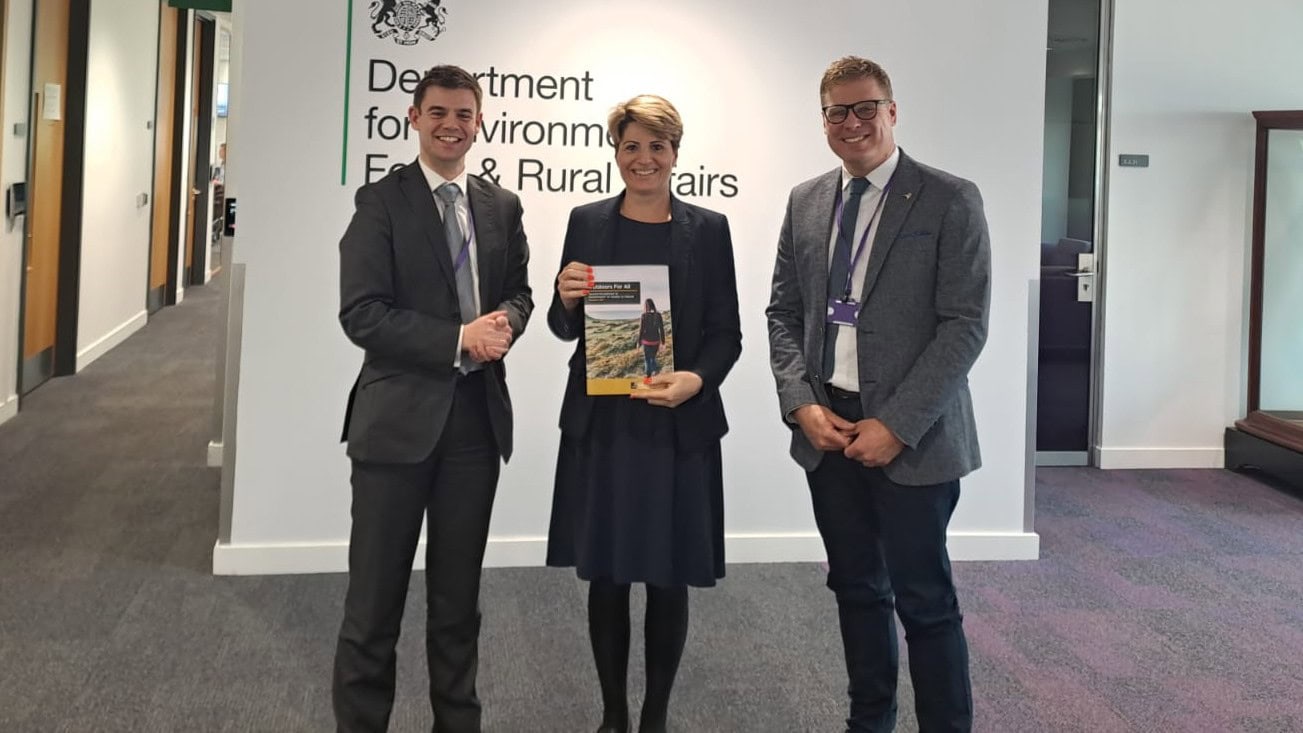
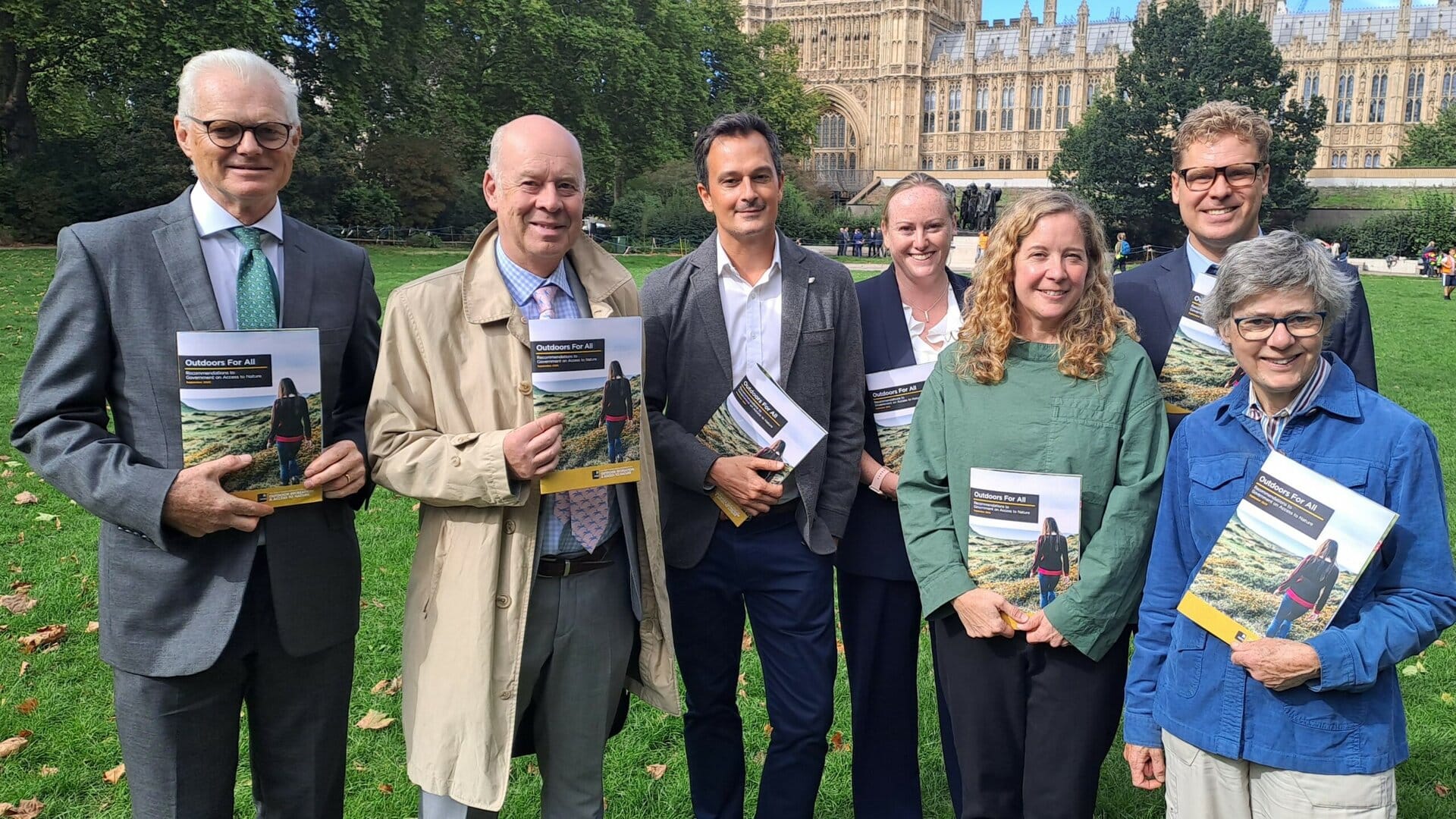
We are also working with colleagues across the access and conservation sector to expand opportunities to enjoy green and blue space, through our Outdoors For All coalition.
We are asking the government to secure fair, shared, sustainable open access to waters in England and Wales…that’s not much to ask for is it?
Rivers should be shared and cared for by all users.
We want people to have clarity in where they can paddle and how to do so responsibly.
Since 2018, we have been lobbying hard for changes to legislation – BUT we need your help!
Check out the Clear Access, Clear Waters Campaign section for more info on how you can support us to secure more places for you to paddle!